
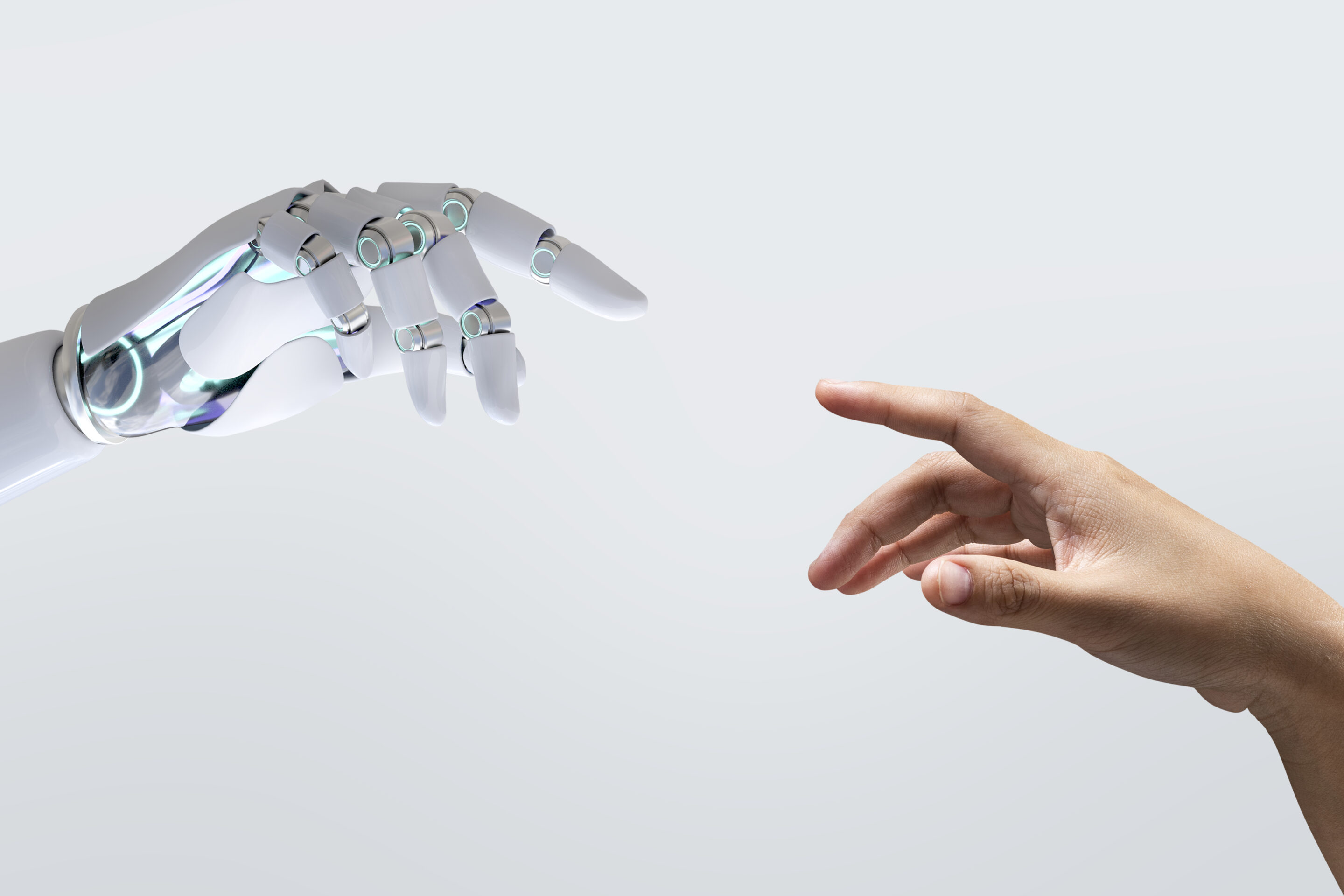

The relationship between minimum wages and automation is politically uncomfortable. Higher wages can protect workers and improve dignity, but they can also accelerate investment in machines when firms see labor as a rising cost.
The Automation Threshold
A robot becomes attractive when its cost falls below the long-term cost of human labor for a task. Wage policy can move that threshold, especially in repetitive or predictable work.
The Policy Dilemma
Low wages are not a solution. They trap workers in insecurity. But wage increases without productivity, training, and transition policy can push firms toward automation faster than workers can adapt.
Not All Jobs Are Equal
Tasks that require empathy, flexibility, trust, and complex physical judgment are harder to automate. Repetitive tasks in food service, logistics, retail, and manufacturing are more exposed.
Conclusion
Protecting workers requires more than setting a wage floor. It requires shaping the technological transition so that dignity does not become a reason for displacement.


0 Comments