
Prominent figures in the tech sector are investing massive sums in research aimed at extending human life, exploring advanced methods that could alter humanity’s perception of time
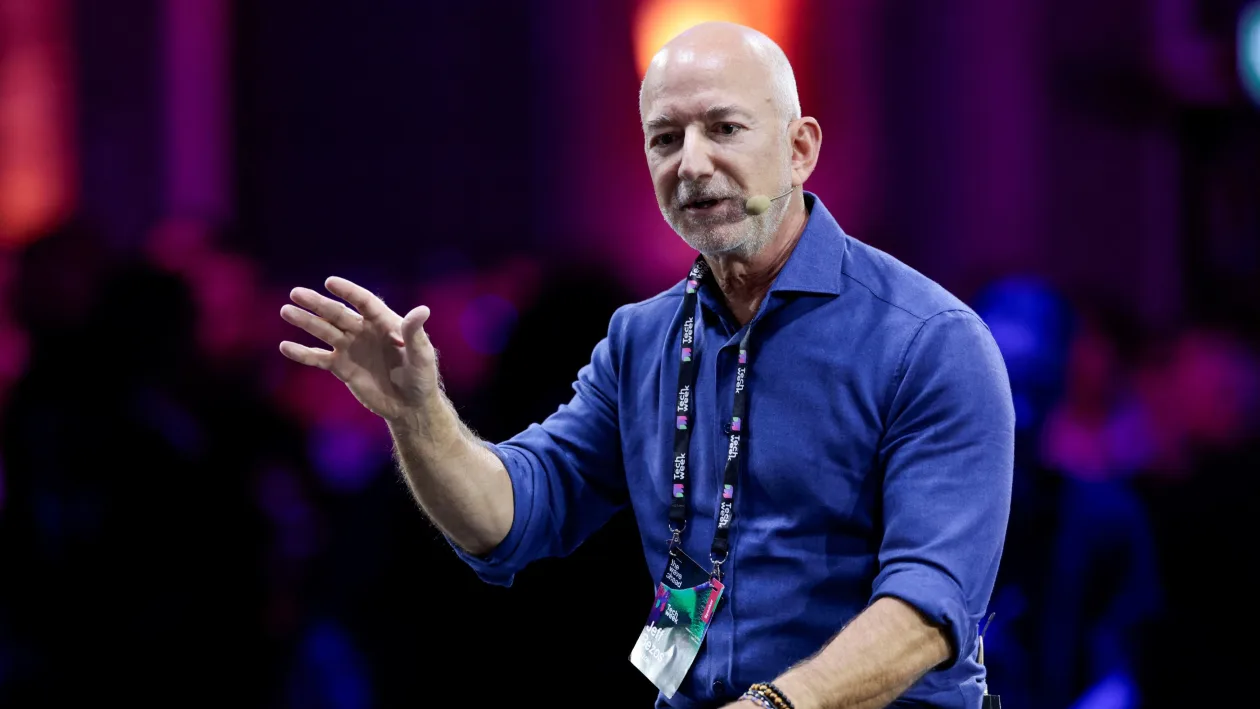
A group of the world’s most influential entrepreneurs is allocating significant resources to research aimed at halting biological aging and extending human life. Jeff Bezos, founder of Amazon, has invested $3 billion in Altos Labs, a startup seeking to revolutionize regenerative medicine through cellular reprogramming.
According to the podcast SabiduríaCast, hosted by Franchu Pardo, this company collaborates with leading scientists, including four Nobel Prize winners—among them Shinya Yamanaka, who discovered cellular rejuvenation factors over a decade ago.
One of the podcast guests, Dr. Conrado Estol, explained that cellular aging is linked to the accumulation of waste inside cells and the decline of processes such as autophagocytosis, which allows the body to eliminate old cells.
He also highlighted that the mitochondria, responsible for producing energy in the form of ATP, and sirtuins, proteins that regulate aging, are key areas of research at Altos Labs.
In this regard, as Estol specified in the podcast, the company has established cutting-edge laboratories to study crucial aspects of cellular aging—such as mitochondria, sirtuins, and the mTOR receptor, associated with rapamycin. The latter is a compound derived from a fungus discovered on Rapa Nui (Chile), known for its rejuvenating properties and currently used in transplant treatments.
Dr. Conrado Estol predicted that if scientists succeed in stopping the biological clock, humans could live “300 or 500 years.”
Dr. Estol also noted that if advances in cellular reprogramming manage to halt aging, people could live for centuries. However, this type of research also raises challenges related to sustainability and equitable access to these technologies. Despite this, the growing interest of billionaires in this field shows that the extension of human life is becoming an increasingly achievable goal.
Altos Labs, Cellular Reprogramming, and Its Impact on Medicine
Altos Labs focuses on biological reprogramming, a technique that returns adult cells to a pluripotent state—that is, a condition similar to that of stem cells. This process, based on the activation of specific genes, not only has the potential to regenerate tissues and repair cellular damage but could also slow down or even reverse aging.
The research builds on the pioneering work of Yamanaka, who in 2006 demonstrated that cells can be reprogrammed to regain their youth and versatility.
Altos Labs was founded in 2022 by entrepreneur Yuri Milner and is led by Richard Klausner, former director of the U.S. National Cancer Institute.
In this way, Altos Labs positions itself as one of the leading companies in the search for anti-aging solutions, as it works to bring these innovations to clinical application with the goal of extending human life and improving its quality.
Although advances in cellular reprogramming are still in their early stages, the resources and scientific talent behind Altos Labs suggest that the coming years could bring significant breakthroughs in this field.
A Future Defined by Biotechnology
Yamanaka’s discovery of cellular reprogramming has opened new possibilities in the field of biotechnology. This process involves returning cells to a pluripotent state, enabling them to transform into any type of cell in the body. This has applications not only in tissue regeneration but also in the treatment of degenerative diseases and the overall improvement of quality of life.
The technique is based on the activation of certain genes that “reset” cells, returning them to a younger, more functional state. This approach has attracted great interest from tech billionaires, who see biotechnology as a way to overcome the biological limitations of human nature.
The participation of figures such as Sam Altman, creator of OpenAI, and Jeff Bezos in longevity-related projects highlights biotechnology’s growing importance in modern society. Indeed, the investment in Altos Labs represents not only a medical research milestone but also a development with potential economic and social implications.
Bezos’s and other billionaires’ commitment to biotechnology reflects a shift in scientific priorities—one that now focuses on overcoming biological barriers and exploring new frontiers in medicine, transforming how humanity lives and ages.



0 Comments