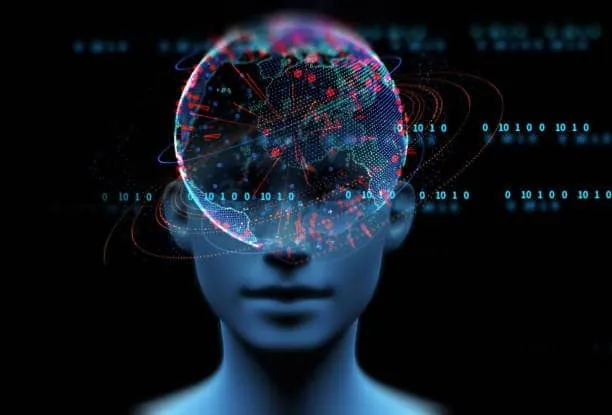
The ultimate goal of AI, getting a machine to have a general type of intelligence similar to that of humans, is one of the most ambitious goals science has ever set itself. In its difficulty, it is comparable to other great scientific goals such as explaining the origin of life, the origin of the universe or understanding the structure of matter. Over the last centuries, this drive to build intelligent machines has led us to invent models or metaphors of the human brain.
There are ethical dilemmas that software developers must take into account when designing it. For example, an autonomous vehicle could decide to run over a pedestrian to avoid a collision that could harm its occupants. Equipping companies with advanced AI systems to make management and production more efficient will require fewer human employees and will generate more unemployment. These ethical dilemmas lead many AI experts to point to the need to regulate its development. In some cases the use of AI should even be banned. A clear example is autonomous weapons.
But, in addition to regulating, it is essential to educate citizens about the risks of intelligent technologies, giving them the skills needed to control it rather than be controlled by it. We need future citizens who are much better informed, more able to assess technological risks, more critical, and willing to assert their rights. This process of education must begin in school and
continue at university. In particular, science and engineering students need to receive ethical training that allows them to better understand the social implications of the technologies they will very probably develop. Only if we invest in education will we achieve a society that can take advantage of intelligent technologies while minimizing the risks. AI undoubtedly has extraordinary potential to
benefit society as long as we make appropriate and prudent use of it. It is essential to raise awareness of the limitations of AI, and to act collectively to ensure that AI is used for the benefit of the common good with safety, reliability and responsibility.
The path to truly intelligent AI will remain long and difficult; after all, AI is barely sixty years old and, as Carl Sagan would say, sixty years is a very brief moment on the cosmic scale of time. We must accompany its evolution and take an active part in the discussion about its evolution, its uses, its impact on the economy and work, as well as on education and feedback on technological progress.