
Space exploration is growing at an enormous speed, with the arrival of private companies and growing investment in research and technology, with significant cost reductions and the development of technologies that have notably simplified sending people into space. It is a clear trend that combines public and private efforts and that will not stop. The Moon and Mars are the first objectives, in a context of time that is short in human terms.
Inevitably, the growth of humanity and the growing need for resources inexorably mark the need to expand beyond our age-old spaces. When the time comes, we will follow these processes very closely and try to contribute to their development as far as we are able.
Space exploration has been made possible by the technology developed over recent decades. Advances in engineering, electronics and computing have made space missions more efficient and safer. In addition, international cooperation has allowed the exchange of technology and resources to carry out more ambitious missions.
One of the most important goals of space exploration is scientific research. Space missions have allowed scientists to obtain valuable information about our solar system, including the structure and composition of planets, stars and galaxies. Important discoveries have also been made in the fields of astrophysics, physics and biology.
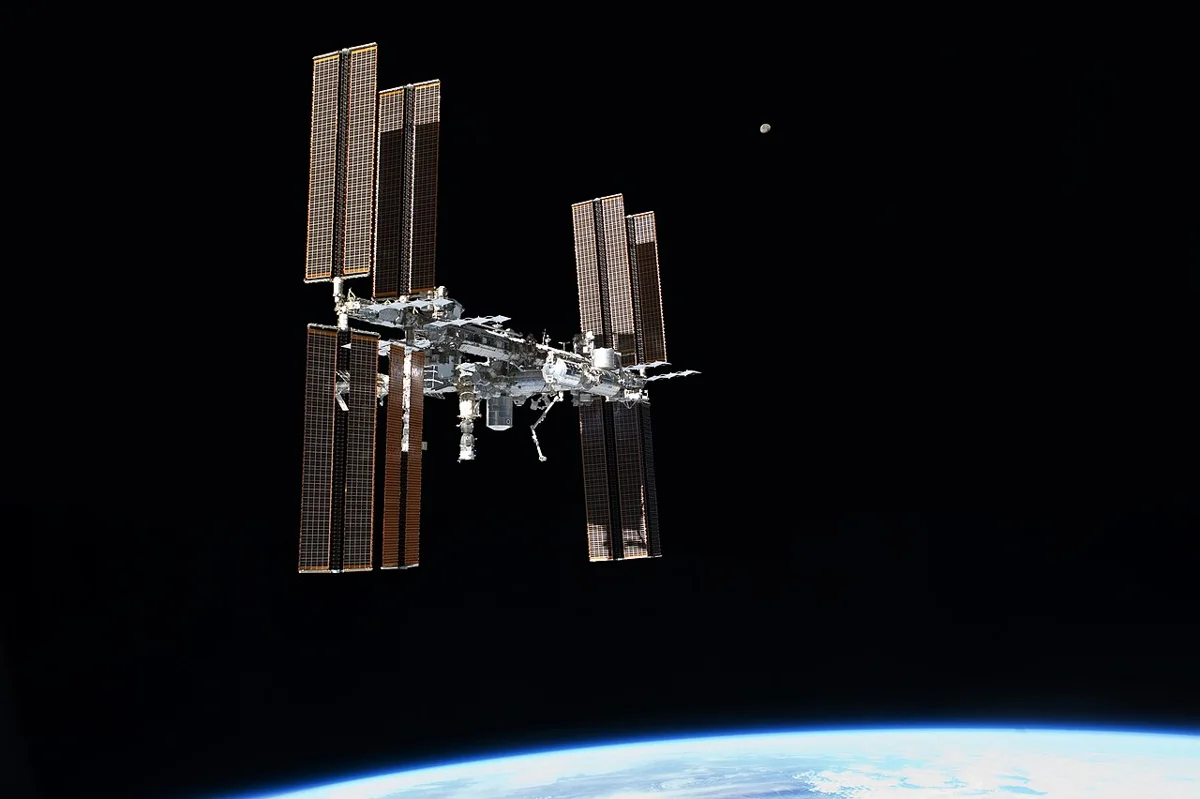
Another goal of space exploration is human expansion into space. Astronauts have been sent into space to live and work on the International Space Station, and aircraft are being developed to send humans to Mars and other planets. Space exploration can also bring economic and national security benefits, such as resource exploration and space surveillance.
Despite advances in technology and international cooperation, space exploration remains a difficult and costly challenge. Space missions require a large amount of resources and can take years of planning and execution. There are also risks and dangers, such as exposure to radiation and the danger of technical failures.
In summary, exploring outer space is a fascinating and constantly evolving field of research. From scientific research to human expansion into space, space exploration has many goals and challenges. With technology and international cooperation constantly advancing, it is exciting to think about what the future holds for space exploration.
It is also necessary to begin preparing the visions, not only of those who are working on the subject, but of the entire population, of all humanity. This puts us at the threshold of an enormous disruptive leap that, only a few years ago, existed only in science fiction texts. Today, we have to face this reality, contributing, participating and anticipating.